Read
2 minute read
July 9, 2026
2 minute read
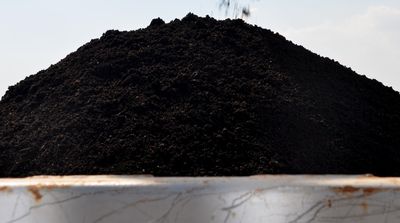
As published in the Federal Register (FR) on July 6, 2026, commenters have until September 4, 2026 to comment on EPA's newly released “Draft Guidance for Risk Reduction from PFOA and PFOS in Biosolids.” Comments can be submitted at Regulations.gov referencing Docket No. EPA-HQ-OW-2026-2509.
The FR Notice references a June 29, 2026, memorandum from Assistant Administrator for the Office of Water Jessica Kramer that indicates that, when finalized, the guidance “would provide recommendations that may be helpful to operators of wastewater treatment plants (WWTPs) and related facilities, landowners and farmers, state and Tribal water agencies, and the public. It provides voluntary recommendations for potential ways to mitigate risks from perfluorooctanoic acid (PFOA) and perfluorooctane sulfonic acid (PFOS) involving land application of biosolids” (emphasis added).
"After careful review of the comments provided by stakeholders, the EPA has determined that the (2025 Biden Administration) Draft Risk Assessment exhibited a number of serious flaws that have caused confusion among the public and the regulated community."
www.epa.gov/...